Jolly Circus Clowns: A Playful Dingbat Font for Instant Project Flair
Every designer, marketer, or content creator eventually hits a creative wall. You’re building a children’s party invitation, designing a logo for a family-friendly brand, or putting together social media graphics for a community event. The layout feels right, the color palette is set, but something is missing—a spark of personality, a touch of whimsy that turns a good design into a memorable one. This is where a specialized dingbat font like Jolly Circus Clowns becomes an invaluable asset. It’s not just a collection of symbols; it’s a toolkit of pre-drawn, scalable vector graphics ready to inject joy and character into your work.
Understanding the Charm of Jolly Circus Clowns
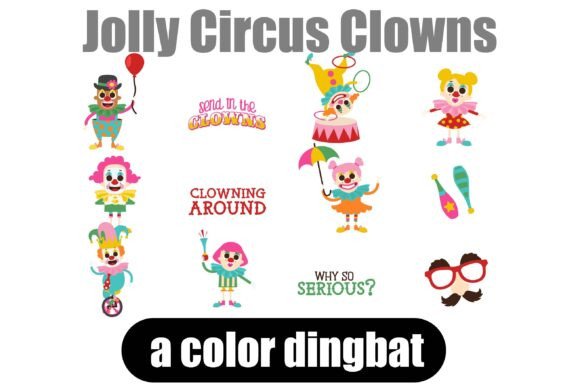
At its core, Jolly Circus Clowns is a premium font that contains 26 unique, adorable clown characters. Each glyph in the typeface represents a different clown, rendered with a friendly, approachable art style. The visual personality is unmistakably cheerful, playful, and nostalgic. Think of classic, non-scary circus aesthetics—bright smiles, expressive poses, and a sense of innocent fun. This isn't a minimalist sans serif font or an elegant script font; it’s a display font designed for specific, high-impact moments where whimsy is the goal.
The style of the illustrations is clean and graphic, making them versatile for both digital and print applications. They can be scaled to a large size for a poster or used as small, detailed icons on a website. The consistency across all 26 characters ensures a cohesive look, which is critical for maintaining a professional feel even when using playful elements. For a brand identity targeting families, event planners, or entertainment venues, this font offers a direct line to a specific emotional response: happiness and lightheartedness.
Practical Applications Across Creative Projects
The real value of a creative font like this lies in its practical use. It’s a design asset that solves the problem of sourcing and creating custom graphics. Here’s where it works best:
- Editorial and Publishing Design: Use individual clown characters as decorative bullet points in a newsletter for a kids’ magazine, or as chapter icons in a children’s e-book. They can break up text-heavy layouts and add visual interest to columns.
- Logo Design and Branding: For a business like a party supply store, a children’s entertainment service, or a bakery specializing in celebration cakes, a clown character from this font can serve as the central motif for a logo or a recurring mascot across all branding materials.
- Packaging Design: Imagine a clown icon stamped on the corner of a popcorn box, or a series of different clowns used on the packaging for a line of party favors. It immediately communicates the product’s purpose and audience.
- Digital and Web Design: As custom icons on a website, these characters can guide users through a site’s navigation in a fun way—think a clown pointing to a “Contact” form or a clown juggling letters for an “About Us” page. They are perfect for social media graphics, creating engaging Instagram story stickers or Facebook post decorators.
- Personal and Commercial Crafts: For crafters and hobbyists, this font is a shortcut to creating professional-looking materials. Design custom birthday cards, party invitations, scrapbook layouts, or even iron-on transfers for t-shirts. Since it’s a commercial font, these crafted items can be sold at local markets or online.
Making Strategic Design Choices with Dingbats
While the Jolly Circus Clowns font is incredibly fun, using it effectively requires some strategic thinking. A dingbat font should complement your primary typeface, not compete with it. Consider the following when integrating it into your projects:
Evaluating Fit and Font Pairings
First, assess if the playful tone aligns with your project’s message. This font is ideal for celebrations, children’s content, and brands that embrace fun. It might not be suitable for a law firm’s annual report, but it’s perfect for a daycare center’s brochure. When choosing a primary font for body text, pair the clowns with a clean, highly readable typeface. A simple serif font or a geometric sans serif font creates a balanced hierarchy, allowing the clown illustrations to act as accent pieces without overwhelming the viewer. Avoid pairing it with other highly decorative or handwritten fonts, as this can create visual chaos.
Readability and Visual Hierarchy
Use the clown characters as standalone elements—icons, dividers, or decorative marks. Do not use them to replace letters within words, as this would destroy readability. The goal is to enhance the design, not make it illegible. Establish a clear visual hierarchy: let your main headline in a strong modern typography style carry the message, and use the clowns as supporting visual elements to reinforce the theme. For example, a single clown icon at the end of a paragraph can serve as a delightful ornament, while a row of three different clowns can create a unique border.
Testing and Licensing Considerations
Before committing to a final design, test the font at various sizes to ensure the details of each clown remain crisp and recognizable. Check how they look in both color and single-color applications (like black on white) to ensure versatility. Most importantly, verify the commercial font license. Understand what it permits—whether it’s for use in end products for sale, on physical goods, or in digital templates. Reputable font providers are clear about these terms, ensuring you can use the Jolly Circus Clowns assets confidently and legally in your professional work.
In essence, the Jolly Circus Clowns dingbat font is more than a novelty. It’s a specialized tool that, when used with intention, can streamline your workflow, elevate your creative output, and connect with your audience on an emotional level. It turns the challenge of adding personality into a simple, one-step process.