Bunny Hatch: The Playful Color Font for Easter and Kids' Projects
When a design calls for unmistakable joy and seasonal charm, the choice of typography is everything. You need something that doesn't just sit on the page but actively participates in the visual story. This is where a creative font like Bunny Hatch steps in, moving far beyond simple letterforms to become a central design element in its own right.
A Typeface with Built-in Personality
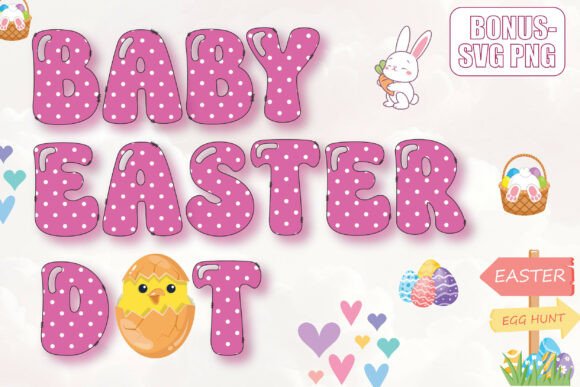
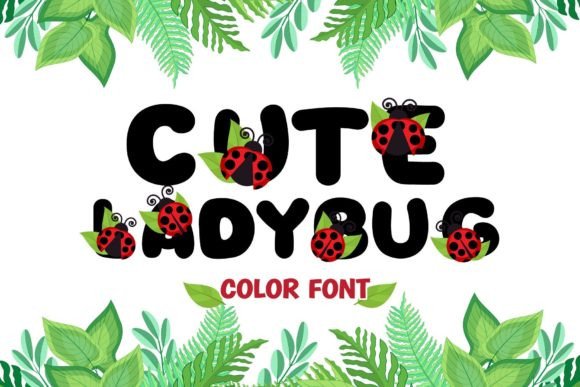
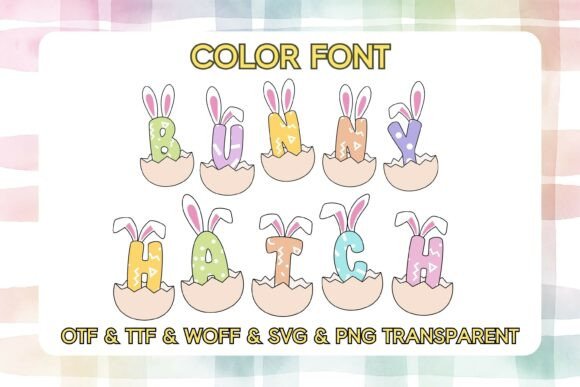
At its core, Bunny Hatch is a display font, meaning its primary strength is in headlines, titles, and short, impactful text. Its personality is immediate: each character is crafted to resemble a colorful, patterned Easter egg, from which a pair of adorable bunny ears emerges. This isn't just a font with a theme; it's a collection of tiny illustrations. The visual characteristics are consistently playful, with vibrant patterns and a sense of whimsical animation. The overall appeal is lighthearted and fun, making it a perfect fit for projects targeting children, families, or anyone celebrating spring and Easter festivities.
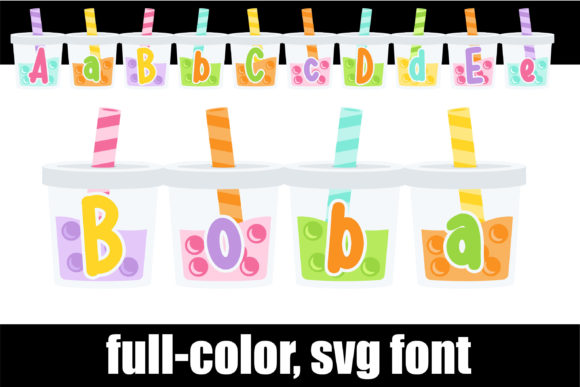
As a premium font package, Bunny Hatch offers practical versatility. It typically includes both full-color font files and standard, single-color versions. The color font files preserve the intricate patterns and hues, ideal for digital use or high-quality print where color reproduction is reliable. The standard versions allow you to apply your own color, which is essential for projects using specific brand palettes, for Cricut and vinyl cutting where layering is needed, or for simple black-and-white print runs. This dual-file approach makes it a valuable asset in any designer's toolkit.
Where This Easter Font Truly Shines
Understanding where Bunny Hatch works best is key to using it effectively. Its inherent style makes it a standout for specific applications. In packaging design for candy, children's toys, or spring-themed products, it instantly communicates a festive and approachable brand. For editorial design, think of feature headers in a family magazine's April issue or the title page of a children's activity book. It injects personality without requiring additional illustration.
The digital space is another natural home. Social media graphics for Easter promotions, Instagram stories for bakeries, or Facebook ads for holiday sales gain an immediate visual hook. Its use in web design should be strategic—reserved for hero section headlines or promotional banners where a burst of personality is needed, rather than for body copy. For entrepreneurs and small business owners, it can define the brand identity for a seasonal product line, a kids' party planning service, or a boutique greeting card business.
For crafters and hobbyists, the applications are wonderfully tangible. The font is engineered for projects like stickers, sublimation on mugs and t-shirts, and greeting card creation. Its clear, bold shapes make it suitable for cutting machines, ensuring clean lines for vinyl decals and heat transfers. This bridge between digital design and physical craft is a significant part of its practical value.
Practical Guidance for Designers and Creators
Using a thematic creative font like Bunny Hatch requires a thoughtful approach to maintain visual hierarchy and readability. Its detailed nature means it is best used sparingly. Pair it with a clean, neutral sans serif font or a simple serif font for body text. For example, a soft, rounded sans serif can complement its playful curves, while a classic serif can provide a grounding contrast. Avoid pairing it with other highly decorative, script fonts, or handwritten fonts, as this will create visual clutter and diminish the impact of both.
Evaluating project fit is straightforward. Ask yourself: does the project's tone align with fun, whimsy, and celebration? If you're designing for a law firm, a financial institution, or a luxury brand, this is not the right tool. If you're working on a community Easter egg hunt poster, a child's birthday invitation, or branding for a handmade candy shop, it's an excellent choice. Always test the font in context. Create a mockup of your layout to see how the colorful patterns interact with your background color, images, and other design elements.
From a professional standpoint, always review the included files and the commercial license. Most premium fonts like Bunny Hatch come with a license that permits commercial use, but it's your responsibility to verify the terms for your specific project—whether it's for a client, for merchandise you sell, or for a one-time social media post. Checking the font pairing capabilities and the available character set (like punctuation and numbers) before finalizing a design is a mark of a professional workflow.
In a world saturated with minimalist modern typography, a font like Bunny Hatch offers a refreshing dose of unapologetic fun. It's a specialized tool, not a universal one, but in the right context, it can elevate a design from ordinary to memorable. It demonstrates how a well-crafted typeface can do more than convey words—it can convey a feeling, a season, and a smile.